



Finding the right elderly care services in Dubai isn't just a checklist item; it’s a deeply personal journey for families who want nothing but the best for their loved ones. Dubai’s fast-paced rhythm is reshaping how we care for our elders, blending cherished cultural traditions with the realities of modern life.
The Growing Need for Elderly Care in Dubai
In Dubai, the heart of our culture has always been families caring for their ageing relatives at home. This is a tradition rooted in love and respect, but today’s world brings new hurdles. Demanding careers, the shift to smaller urban living spaces, and the complexities of modern family life mean providing that constant, specialised care is tougher than ever.
This shift isn't about letting go of tradition. Instead, families are discovering that professional elderly care services can be a powerful support system. Think of it as a partnership—one that reinforces the family unit by providing the expertise needed to ensure a senior’s well-being without sacrificing their comfort or dignity.
A New Approach to Senior Support
The goal is to help seniors "age in place." This means allowing them to stay in the familiar, comforting surroundings of their own homes while receiving the precise level of support they need. This approach is vital for their emotional and physical health, as it honours their independence. It’s about complementing the family’s love with professional skill to make sure every need is met, from medical oversight to simple daily companionship.
The numbers tell a similar story. The elderly population in the UAE is expected to climb from 6% in recent years to over 29% by 2050. This demographic shift, combined with increasing urbanisation and more people in the workforce, is naturally pushing us toward professional services that work hand-in-hand with families.
Empowering Families Through Partnership
Professional caregiving isn’t just for the senior; it’s a lifeline for the entire family. It offers much-needed relief for family members who have taken on the primary caregiver role, preventing burnout and allowing them to simply enjoy quality time with their loved ones. By bringing in professional help, families can be confident their elders are getting consistent, expert support around the clock.
By blending traditional family values with specialised professional support, elderly care in Dubai is evolving into a partnership. This model ensures seniors receive comprehensive care while remaining connected to their families and cultural roots, fostering dignity and peace of mind for everyone.
This collaborative approach turns caregiving from a stressful burden into a shared, manageable responsibility. It allows adult children to go back to being sons and daughters, not just caregivers. For those weighing their options, understanding different models of care, like what a nursing home in Dubai offers, can provide a fuller picture. Ultimately, embracing professional support is a positive, proactive step toward ensuring the people you love can live their later years in safety, happiness, and with the respect they deserve.
Understanding Your Senior Care Options in Dubai
Trying to figure out the world of elderly care services in Dubai can feel overwhelming. It’s a bit like learning a new language when the stakes are incredibly high—you just want to make the best possible choice for your loved one.
The most important thing to remember is that care isn't a one-size-fits-all product. It's a spectrum of services, designed to meet very specific needs at different stages of life. Think of it as creating a custom support system. Some seniors just need a little help with daily tasks to stay independent, while others might need round-the-clock medical attention.
By breaking down the options, you can move from a general feeling of "we need help" to a clear plan. You'll be able to pinpoint the exact level of support your family needs, ensuring your loved one receives care that is both effective and dignified.
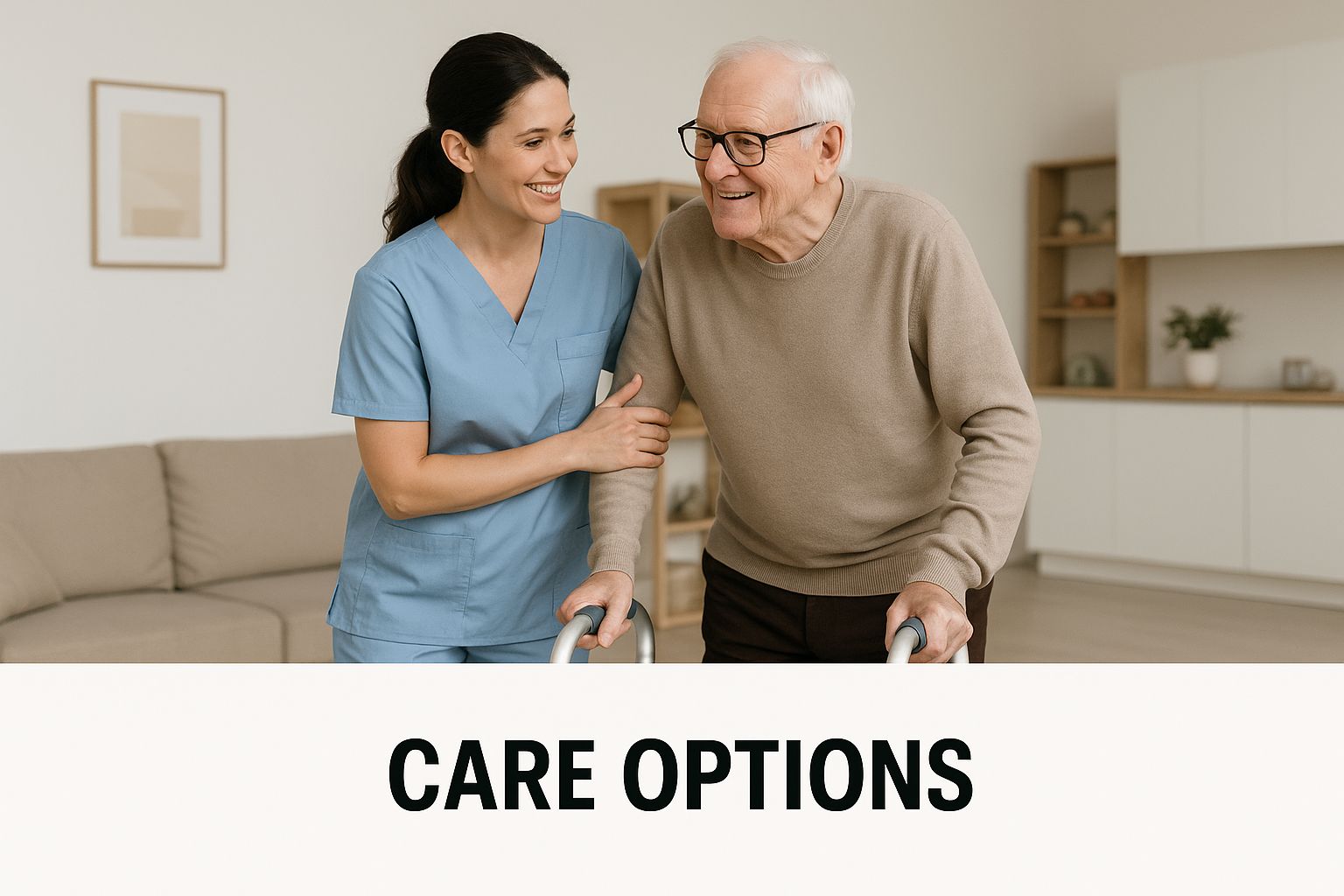
As you can see, care options range from simple companionship to skilled medical support, allowing you to mix and match services as your family’s needs change over time.
To help you get a clearer picture, let's compare the most common models side-by-side.
Comparing Elderly Care Service Models in Dubai
This table breaks down the key differences between various elderly care options available in Dubai. It's designed to help you quickly identify which model aligns best with your loved one's current needs, from simple companionship to complex medical supervision.
| Service Model | Level of Support | Best For Seniors Who… | Common Services Included |
|---|---|---|---|
| Live-In Assistance | 24/7 Non-Medical | Need constant supervision but not intensive medical care. Ideal for mobility and safety concerns. | Personal care, meal prep, light housekeeping, companionship, mobility support. |
| Visiting Caregiver | Flexible (Hourly/Daily) | Are mostly independent but need help with specific tasks or want social interaction. | Errands, medication reminders, companionship, light cleaning, accompanying to appointments. |
| Specialised Nursing | Clinical (As needed) | Are managing chronic illnesses, recovering from surgery, or require skilled medical procedures. | Wound care, injections, IV therapy, vital signs monitoring, chronic disease management. |
| Rehabilitation Support | Therapeutic (Scheduled) | Are recovering from a fall, stroke, or surgery and need to regain strength and independence. | Physiotherapy, occupational therapy, speech therapy, nutritional guidance. |
Each model serves a distinct purpose. The goal is to find the right balance of support that enhances quality of life without being intrusive, ensuring your loved one feels comfortable and cared for.
In-Home Care: The Comfort of Familiar Surroundings
By far, the most requested type of senior support in Dubai is in-home care. It makes perfect sense—it allows our elders to stay in the familiar comfort of their own homes, which does wonders for their emotional and mental well-being. This category has a few different flavours.
Live-in assistance is exactly what it sounds like: round-the-clock, non-medical support for seniors who need consistent help with things like getting around safely, personal hygiene, and eating well. It’s perfect for someone who shouldn’t be left alone but doesn’t necessarily need a nurse by their side 24/7.
Then you have visiting caregivers, who pop in for a few hours a day or a couple of times a week. They can help with errands, do some light housekeeping, and provide that all-important companionship to keep loneliness at bay. This is a great solution for seniors who are still quite independent but could use an extra hand with certain tasks.
Specialised Medical Support: When Health Takes Priority
When an elderly person is dealing with a chronic illness or recovering from a hospital stay, their needs shift dramatically. General assistance isn't enough; they need skilled clinical care. This is where specialised medical support at home becomes absolutely vital. These services are handled by licensed professionals who can manage complex health issues right where your loved one is most comfortable.
For example, recovering from something like heart surgery requires a professional to manage wound care, ensure medications are administered correctly, and monitor vital signs. A senior in this situation has completely different needs from someone who just needs a hand with the groceries. This kind of care ensures a safer, smoother recovery and reduces the risk of complications.
Likewise, managing long-term conditions like diabetes, hypertension, or dementia demands ongoing medical oversight. A registered nurse can administer injections, check blood sugar levels, and educate the family on how to provide the best support. To get a better feel for what this involves, you can explore detailed guides on professional home nursing services and see how they fit into a bigger care plan.
Choosing the right care means matching the caregiver's skills to the patient's specific needs. A companion provides social support, while a registered nurse delivers essential medical treatments—both are vital, but for very different reasons.
Assistance with Daily Living and Rehabilitation
This final category is the bridge between companionship and intensive medical care. It's all about maintaining—and even improving—a senior's quality of life through practical and therapeutic support. These services are key to helping elders hold onto their independence for as long as possible.
- Physiotherapy at Home: This is a lifeline for seniors getting back on their feet after a fall, stroke, or surgery. A physiotherapist comes to the home to help restore mobility, strength, and balance in a comfortable, private setting.
- Meal Preparation and Nutritional Guidance: Good nutrition is the foundation of good health, especially for seniors. A caregiver can prepare healthy, culturally appropriate meals that meet specific dietary needs, taking one more thing off your plate.
- Medication Reminders: Forgetting to take medication is a common but dangerous problem. Having a caregiver on hand ensures all prescribed medicines are taken on schedule and in the correct dose.
Ultimately, understanding these different categories empowers you. You can move from that vague feeling of needing help to a clear-headed decision, confident that you're choosing the elderly care services Dubai offers that perfectly match your family's unique situation.
Why Home Care Is the Preferred Choice in Dubai
When it comes to caring for an elderly loved one in Dubai, the decision often circles back to one simple, powerful idea: there’s no place like home. While care facilities provide excellent medical support, nothing quite replaces the profound comfort of familiar surroundings, enveloped by a lifetime of memories. This deep emotional connection is precisely why home care has become the go-to choice for so many families here.
It’s about more than just the four walls of a house. Home is where personal routines are sacred, from the specific timing of daily prayers to the exact way a cup of tea is brewed. Honouring these small but significant rituals is vital for a senior’s sense of self and well-being, and that’s something home care is uniquely designed to protect.

This preference for senior care at home is also deeply rooted in cultural values that place elders at the heart of the family. Home care makes it possible for families to stay deeply involved in their loved one's day-to-day life, keeping those precious intergenerational bonds strong.
Practical Advantages Unique to Dubai
Beyond the heartfelt reasons, choosing home care in Dubai just makes practical sense. As exciting as this city is, it also presents some real challenges for seniors. Think about it: navigating the city’s traffic or dealing with the intense heat just to get to a clinic can be draining, if not downright risky.
Home care neatly sidesteps these hurdles by bringing the professionals straight to your doorstep. This isn't just about convenience; it’s about ensuring consistent, uninterrupted care. Missed appointments due to transport issues or simply not feeling up to the journey become a non-issue. For example, our guide on home physiotherapy in Dubai details how this approach dramatically improves recovery by delivering consistent, one-on-one sessions in a comfortable, familiar space.
Honestly, this kind of service is shifting from a luxury to a necessity. With the UAE’s population of residents over 60 expected to grow six-fold by 2050, personalised home care is the most sustainable way forward. It helps keep our seniors out of hospitals, lowers infection risks, and supports them in maintaining the daily routines that give them comfort and dignity.
A Partnership That Empowers the Whole Family
One of the most powerful, yet often overlooked, benefits of professional home care is the positive ripple effect it has on the entire family. It completely reframes caregiving, turning it from a solo burden into a supportive partnership.
Professional caregivers do more than just assist the senior; they empower the family. By providing expert support and respite, they allow family members to focus on connection and love, transforming a potentially stressful duty into a shared journey of care.
This support system is a game-changer. It provides much-needed respite for family members, giving them a chance to rest and recharge without a moment of worry. This helps prevent the all-too-common burnout and keeps family relationships healthy and strong.
What's more, these professionals often become mentors. They can teach family members safe ways to help with mobility, offer tips on nutrition, or explain how to manage a specific health condition. This transfer of knowledge is incredibly empowering, building the family's confidence and making them more effective partners in care.
Ultimately, this collaborative approach ensures the senior gets the best of both worlds: the clinical expertise of a professional and the unwavering love and support of their family, all within a stable and dignifying environment where they can truly thrive.
Navigating Costs and Regulations for Elderly Care
Choosing the right care services is one half of the equation; understanding the financial and legal side of things is the other. Getting a firm grip on the costs and regulations surrounding elderly care services in Dubai isn’t just about budgets and paperwork—it's about making a confident, informed decision that protects your loved one and gives you total peace of mind.
The financial aspect can feel a bit daunting at first. Costs aren't one-size-fits-all because the care itself isn't. The price is directly linked to the level of skill and the amount of time required from the caregiver. A visiting companion for a few hours of conversation and light chores will naturally come at a different price point than a registered nurse needed for complex post-surgery wound care.
Think of it like hiring any other professional. You wouldn't expect a general handyman to charge the same as a master electrician, right? Their specialised training and skills justify the difference. It’s exactly the same in elderly care. The more clinical the need, the more specialised the professional, and the cost reflects that expertise.
Breaking Down the Cost Structures
To plan your budget without any guesswork, it’s helpful to know the common pricing models you'll see for elderly care services in Dubai. A reputable provider will always be transparent and ready to provide a clear breakdown of their fees.
You'll generally come across two main structures:
- Hourly Rates: This model is perfect for families needing flexible or part-time support. It's common for visiting nurses or therapists who provide care for a set number of hours a day or week, handling specific tasks like medication management or physical therapy exercises.
- Monthly Packages: For situations requiring round-the-clock supervision or live-in care, a comprehensive monthly package is the usual approach. This fee typically covers all non-medical assistance—from personal hygiene to cooking—providing consistent, ongoing support for a fixed cost.
Keep in mind that other factors can influence the final price, like needing a caregiver with specialised dementia training, one who is bilingual, or someone skilled in managing complex medical equipment. Always ask for a detailed quote that lists every included service to avoid any surprises down the line.
The Non-Negotiable Role of DHA Licensing
While cost is a very real and practical concern, the most critical factor by far is regulatory compliance. In Dubai, every legitimate healthcare provider, including at-home care agencies, must be licensed by the Dubai Health Authority (DHA). This isn't just a bureaucratic step; it's your absolute guarantee of quality, safety, and professional standards.
A DHA licence is proof that an agency has met strict requirements for everything from caregiver qualifications and background checks to infection control protocols. Opting for an unlicensed provider might seem like a way to save money, but it opens your family up to serious risks, like unqualified staff, a lack of accountability, and poor emergency procedures.
Choosing a DHA-licensed provider is the single most important step you can take to ensure your loved one receives safe, ethical, and high-quality care. It is the gold standard for elderly care services in Dubai and is absolutely non-negotiable.
This licensing also ensures that the individual caregivers are properly vetted and qualified. Sometimes, a situation calls for more than just a caregiver, and you might need a doctor on call in Dubai. Licensed services ensure that any medical professional who steps into your home is fully credentialed and trustworthy.
Vetting Protocols: What to Expect
A professional, compliant agency will be an open book about its hiring and training processes. When you're making enquiries, they should be able to confidently walk you through their vetting protocols.
Here’s what a thorough process should include:
- Thorough Background Checks: This means verifying past employment and running a criminal record check to ensure your loved one's safety and security.
- Certification Verification: The agency must confirm that all its nurses and caregivers hold the required professional qualifications and are licensed to practise in Dubai.
- Ongoing Training: The best providers invest in their people. They provide continuous education for staff to keep them sharp and updated on the latest care techniques and best practices.
By understanding the costs and insisting on DHA-licensed care, you’re building a secure and reliable foundation for your family’s care journey. This due diligence lets you move forward with the confidence that your loved one is truly in capable, professional, and trustworthy hands.
How to Choose the Right Elderly Care Provider
Picking the right provider for elderly care services in Dubai is one of the most important decisions your family can make. This isn't just about hiring help; it's about welcoming a trusted partner into your home to look after someone you love. The best way to approach this is with a clear, step-by-step plan that considers both medical needs and personal connection, ensuring you find the perfect match.
Think of it like building a strong support system around your family member. Each step you take adds another layer of safety, comfort, and trust. If you rush, you risk a poor fit. But a thoughtful, careful approach ensures the care is both effective and compassionate right from the start.
Step 1: Assess Your Loved One’s Complete Needs
Before you even start Googling agencies, your first and most vital step is to get a complete picture of your loved one's needs. This goes way beyond a simple medical diagnosis. A holistic assessment is the only way to find a provider who can offer truly comprehensive support.
Start by making a list that covers three key areas:
- Medical Requirements: Write down all health conditions, medications (including dosages and timings), and any specific medical tasks like wound care or injections. Be clear about the level of skill required—do you need a registered nurse or a companion caregiver?
- Daily Living Assistance: Think about the non-medical help they'll need. This could be anything from personal care like bathing and dressing, to preparing meals, light housekeeping, or help with getting around.
- Social and Emotional Needs: This is just as important. Does your loved one enjoy conversation and company? Do they have hobbies they’d like help with? Make a note of their personality, preferred language, and cultural background to find a good social fit.
Step 2: Research and Shortlist Licensed Providers
Once you have your needs list, it’s time to start looking at providers. Your first filter should be a deal-breaker: only consider agencies licensed by the Dubai Health Authority (DHA). This is your guarantee that they meet strict standards for safety, caregiver qualifications, and professionalism.
The healthcare landscape in Dubai is complex. The elderly population grew dramatically in a single decade, from 10,797 in 2005 to 59,977 in 2015. While Primary Health Care (PHC) centres served 99% of these individuals, many also relied on DHA hospitals (60.9%) and private hospitals (16.7%). A licensed home care provider is your trusted guide through this system. You can read more about these statistics in the full research on elderly patient care in Dubai.
As you create your shortlist, look for agencies with a solid reputation, positive online reviews, and clear, straightforward information on their websites. An agency that's transparent about its services and caregiver credentials is one you can usually trust.
Step 3: Ask Targeted Questions During Consultations
With a shortlist of three or four agencies, it’s time to set up consultations. This is your chance to dig in and compare them head-to-head. Come prepared with a checklist of questions so you can evaluate each one fairly.
A consultation isn't just about what the agency tells you; it's about what they ask. A great provider will be just as interested in learning about your family's specific needs as they are in explaining their services.
Here are a few essential questions to ask:
- Caregiver Training and Qualifications: What kind of training do your caregivers have? Are they certified in CPR and first aid? Do they have specialised training for conditions like dementia or diabetes?
- Matching Process: How do you match caregivers to clients? Can we meet the caregiver you have in mind before making a commitment? A good match is everything, as we explain in our guide on finding the right carers for the elderly.
- Emergency Protocols: What’s your procedure if there's a medical emergency? How do you keep the family informed during a crisis?
- Family Communication: How often will we get updates on our loved one’s well-being? Who is our main point of contact at the agency?
- Backup Plan: What happens if our primary caregiver is sick or can’t make it? How quickly can you arrange for a replacement?
Step 4: Arrange a Meeting to Gauge Chemistry
Finally, after you’ve vetted the agencies and asked all your questions, set up a meeting with the proposed caregiver, either in person or over a video call. This step is all about chemistry. The most qualified caregiver on paper won’t be a good fit if their personality doesn't click with your loved one.
During the meeting, watch how they interact. Do they listen carefully? Is their tone respectful and kind? Trust your gut feeling. The goal is to find a professional who is not only skilled but also brings a sense of warmth, patience, and true compassion into your home. This final check helps ensure the relationship gets off to a great start, built on a foundation of mutual comfort and respect.
Got Questions About Senior Care? Let's Clear Things Up
When you start looking into elderly care services in Dubai, it's completely normal to have a lot of questions. It's a big decision, after all. To help you feel more confident, we've put together some straightforward answers to the questions we hear most often from families just like yours.
Caregiver Roles and Qualifications
One of the first things to get clear on is who does what. The titles can sound similar, but the roles are quite different, and choosing the right one is crucial.
What is the difference between a caregiver and a home care nurse?
Think of it this way: a caregiver is your loved one's daily support system. They are experts in assisting with personal tasks—things like bathing, preparing meals, helping with mobility, and simply being a friendly companion. Their focus is on comfort and daily living.
A registered home care nurse, on the other hand, is a licensed medical professional. You'd bring them in for clinical needs like administering injections, changing wound dressings, or managing complex health monitors. The choice really boils down to whether the primary need is for personal support or skilled medical care.
What qualifications should a caregiver in Dubai have?
This is non-negotiable: always work with a DHA-licensed agency. The caregivers they provide should, at a minimum, hold professional certifications (like a Certified Nursing Assistant qualification), be fully trained in first aid and CPR, and have a clean background check.
If your family member has a specific condition like dementia or diabetes, don't hesitate to ask for a caregiver with specialised training in that area. The right experience makes all the difference.
Finding the Right Match
A successful care arrangement is about more than just qualifications; it’s about the human connection. A good agency understands this and puts a lot of effort into getting it right.
How do agencies match caregivers to families in Dubai?
Reputable agencies don’t just send the next available person. They start with a detailed chat to understand everything about your loved one—their medical needs, sure, but also their personality, their daily routines, and even language preferences.
With this complete picture, they can then find a caregiver whose skills, experience, and temperament are a natural fit. The goal is to build a comfortable, trusting relationship from the very first day.
Are short-term or temporary elderly care services available?
Absolutely. Most licensed providers in Dubai are flexible and offer what's often called "respite" care. This can be for just a few hours, a full day, or even several weeks.
It’s the perfect solution if the main family caregiver needs to travel or just take a much-needed break. It's also incredibly helpful for seniors who need a bit of extra support while recovering from an illness or surgery.
We know navigating these choices can feel overwhelming, but you don’t have to do it alone. For expert, DHA-licensed care that’s tailored to what your family truly needs, Call To Doctor provides professional and compassionate support right at your doorstep.
Discover how we can help by exploring our services at https://calltodoctor.ae.

Leave a Reply