




Providing high-quality care for the elderly is more than a list of duties; it’s about creating a nurturing, supportive environment that addresses physical health, emotional well-being, and daily living needs. It's a compassionate blend of practical assistance, diligent medical oversight, and genuine human connection, all aimed at preserving dignity and enhancing quality of life for your loved one.
This guide offers expert insights into creating a comprehensive care plan that ensures your elderly family members receive the support they deserve.
Laying The Foundation For Compassionate Elderly Care
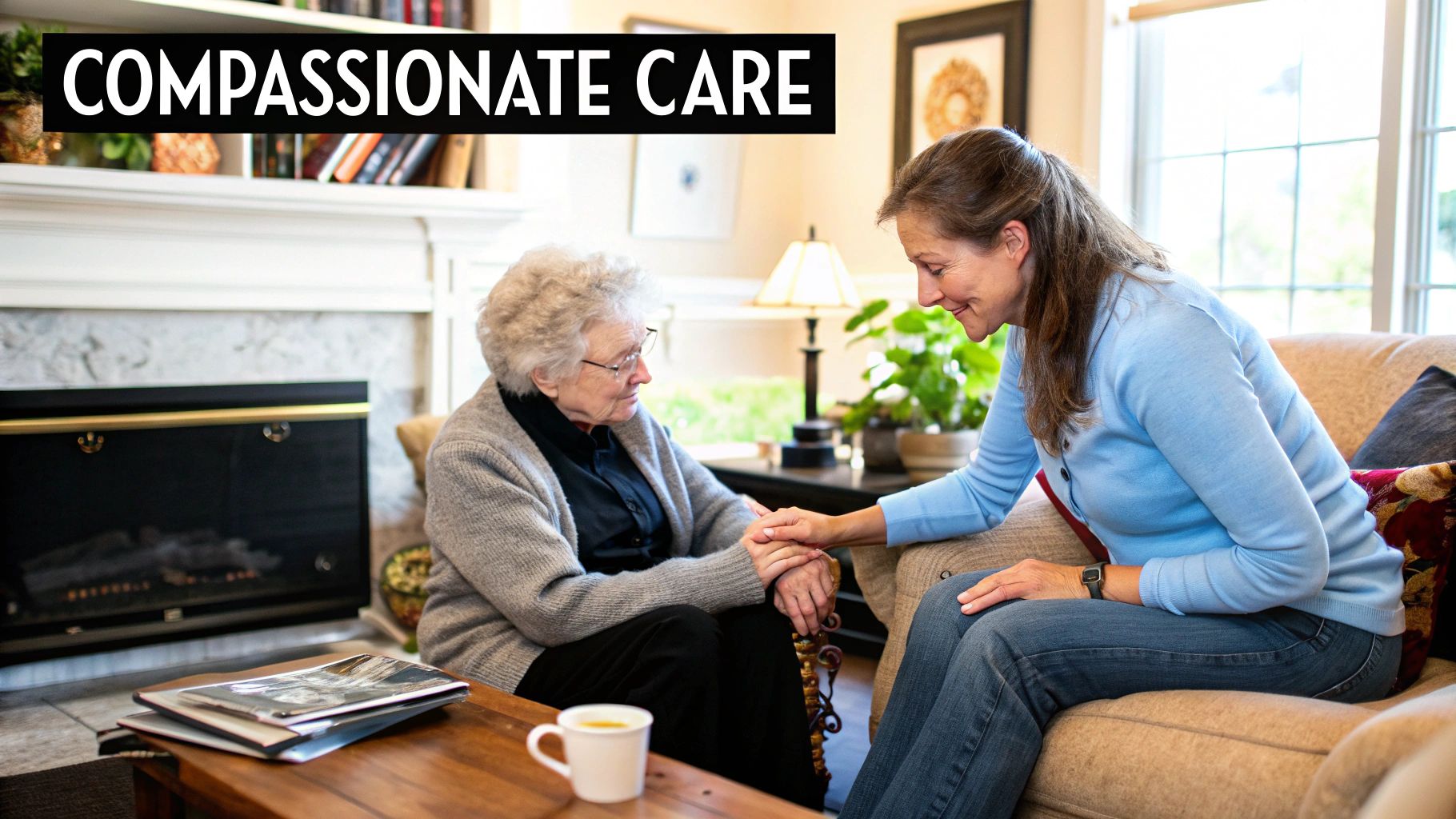
Stepping into a caregiving role often begins with a single, vital step: thoroughly understanding what your elderly loved one truly needs. This assessment goes beyond medications and appointments; it's about building a holistic plan that supports them as a complete person, respecting their independence and preferences.
The best care for the elderly is built on a solid foundation of dignity, respect, and proactive support. A successful care plan is not rigid; it’s a flexible guide that adapts as their needs evolve, ensuring physical health is supported alongside emotional and social well-being.
Assessing Your Loved One's Needs
The first step is a gentle but comprehensive assessment. This isn’t an interrogation but a series of quiet observations and warm conversations to identify areas where they could use more assistance.
Here are the key areas to focus on for a clear picture:
- Physical Health: Note any chronic conditions, mobility challenges, or difficulties with daily activities like bathing, dressing, or preparing meals.
- Medical Management: Organize a clear list of all medications (including dosages), upcoming doctor’s appointments, and any specific dietary requirements.
- Home Safety: Walk through their home with a focus on safety. Look for potential fall hazards such as loose rugs, poor lighting, or cluttered walkways.
- Emotional and Social Wellbeing: Observe their mood. Are they staying connected with friends and family, or are there signs of loneliness or social withdrawal?
The need for structured, thoughtful care is a growing global trend. For instance, the European elderly care market is expanding rapidly. In 2025, formal settings like nursing homes constituted 45.8% of the market, highlighting the increasing reliance on structured support for families.
A truly effective care plan isn't just a list of tasks to be completed. It's a living strategy that honours the individual's personality, preferences, and sense of independence, ensuring they feel supported rather than managed.
To structure your approach effectively, it helps to categorize care into four connected pillars.
The Four Pillars of Holistic Elderly Care
This table breaks down the core components of a well-rounded care strategy, which is fundamental to quality care for the elderly.
| Pillar of Care | Key Focus Areas | Practical Examples |
|---|---|---|
| Physical Health | Mobility, nutrition, personal hygiene, chronic disease management | Assisting with walking, preparing balanced meals, helping with bathing, ensuring medication is taken on time. |
| Medical Oversight | Medication schedules, doctor's appointments, symptom monitoring | Organizing pillboxes, coordinating transport to appointments, tracking blood pressure or sugar levels. |
| Emotional & Social Support | Companionship, social engagement, mental stimulation | Scheduling visits from family, encouraging participation in hobbies, having daily conversations. |
| Safety & Environment | Fall prevention, home modifications, emergency preparedness | Removing trip hazards, installing grab bars in the bathroom, having emergency contacts easily accessible. |
Considering each of these pillars ensures you create a comprehensive support system that addresses all aspects of their well-being.
Building A Supportive Care Structure
Once you have a clear understanding of their needs, you can begin to assemble a support system. This is often a collaborative effort, combining family support with professional assistance.
Engaging professional carers for the elderly can be transformative, providing specialized skills where they are most needed. This could range from an in-home nurse for medical tasks to help with housekeeping or a companion to prevent isolation. The objective is to build a reliable network that keeps your loved one safe, healthy, and engaged.
How to Create a Safe and Accessible Home
A home should be a sanctuary of comfort and security. For an older adult, however, familiar surroundings can conceal risks that may lead to accidents, particularly falls. Modifying the home for safety and accessibility is a critical aspect of providing care for the elderly, empowering them to live independently and confidently.
Fortunately, significant improvements can be made with thoughtful, minor adjustments rather than major renovations. The process begins with a careful inspection of each room to identify potential hazards before they cause a problem.
This infographic outlines a simple, three-step strategy for adapting a home to enhance safety.
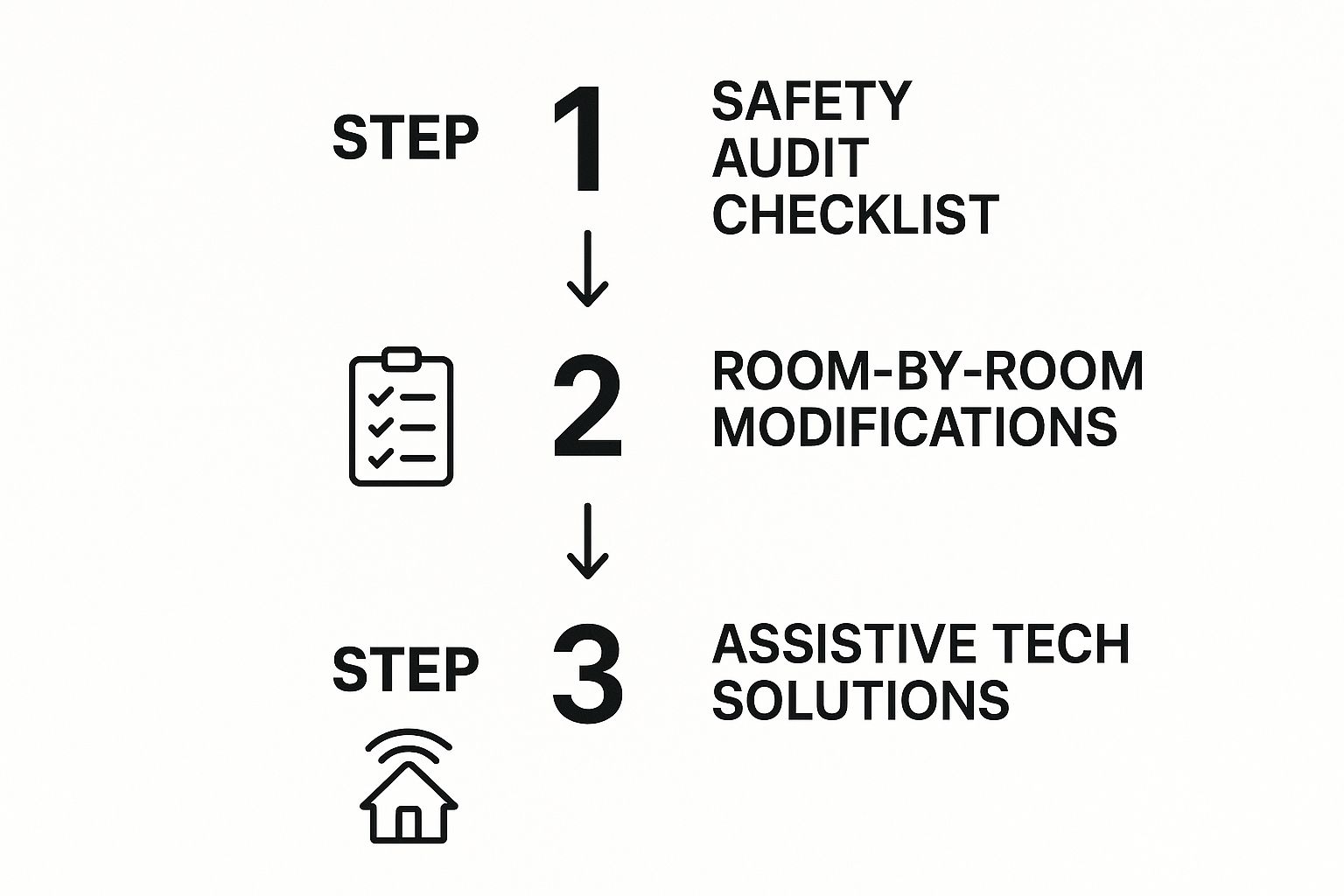
As shown, a methodical approach—from audit to practical modifications and technology—provides a clear roadmap to a safer living environment.
Conducting a Practical Home Safety Audit
Begin by walking through the house with fresh eyes, aiming to identify common risks that are often overlooked. This audit will serve as your guide for all subsequent modifications.
Be particularly vigilant for trip hazards, such as loose rugs, electrical cords in walkways, and general clutter. These are the leading causes of falls among seniors. Clearing pathways and ensuring they are well-lit is a crucial first step.
Additionally, assess the lighting in every room, especially in hallways, on staircases, and in bathrooms. Poorly lit spaces can obscure obstacles and make navigation difficult, particularly at night.
Implementing Room-by-Room Modifications
With your list of risk areas, you can begin making targeted improvements. It is advisable to start with the most frequently used rooms—the bathroom, bedroom, and kitchen—as these are where accidents are most common.
The Bathroom
The bathroom, with its combination of water and hard surfaces, should be your top priority.
- Install Grab Bars: Place sturdy grab bars in the shower, next to the bathtub, and beside the toilet to provide essential support for sitting, standing, and maintaining balance.
- Use Non-Slip Mats: A non-slip mat inside the tub or shower and another on the floor outside are essential for preventing slips on wet surfaces.
- Improve Accessibility: Consider adding a raised toilet seat or a shower chair to reduce the physical strain of bending and standing.
The Kitchen
Simple organizational changes in the kitchen can prevent accidents and make daily tasks easier.
Move frequently used items—such as plates, glasses, and common ingredients—to lower, easily accessible shelves. This simple adjustment eliminates the need for stretching or using unstable step-stools. Ensure the lighting is bright and uniform to make tasks like chopping vegetables safer.
A home adapted for safety does more than just prevent accidents. It restores a sense of independence and confidence, allowing an older adult to navigate their own space without fear.
Living Areas and Bedroom
In these spaces, the primary goal is to create clear, wide pathways.
Arrange furniture to allow ample room for walking without obstruction. Remove any unnecessary tables or decorative items that could pose a trip hazard. Crucially, ensure a telephone and a list of emergency contacts are within easy reach of the bed and their favorite chair.
Leveraging Simple Assistive Technology
You don't need to be a technology expert to add an extra layer of security. Modern tech offers simple solutions that provide significant peace of mind.
Motion-activated nightlights are an excellent, low-cost investment for hallways, bedrooms, and bathrooms. They automatically illuminate the path at night, reducing the risk of falls or disorientation in the dark.
Personal alert systems, often worn as a pendant or wristband, can be lifesavers. In an emergency, your loved one can summon help with the press of a button, ensuring a rapid response.
For individuals with mobility issues due to injury or a chronic condition, professional support can be invaluable. Exploring how in-home physiotherapy services can aid in recovery and strength-building is another key component of creating a safe environment. Targeted exercises improve balance and confidence, addressing a primary cause of falls. A truly safe home supports both independence and overall well-being.
Managing Daily Health and Medical Routines
When providing at-home care for the elderly, you often become a health manager. This role is less about medical expertise and more about organization and observation. By implementing simple systems, you can transform a potentially chaotic routine into a calm, manageable one.
The objective is to establish easy, repeatable habits that ensure medications are taken correctly, doctor's appointments are productive, and minor health changes are detected before they escalate.
Establishing a Rock-Solid Medication System
Managing multiple prescriptions with different schedules is a significant caregiving challenge. A missed or incorrect dose can have serious consequences, so accuracy is paramount. Fortunately, the most effective systems are often the simplest.
A basic weekly pill organizer is highly effective for most families. These containers, with compartments for morning, noon, evening, and night, eliminate daily guesswork. Setting it up once a week provides a quick visual check to confirm if medications have been taken.
A consistent medication routine does more than just ensure safety—it builds trust and eases anxiety. When your loved one feels confident their health is being managed properly, it brings a sense of peace to the entire household.
For those who are more tech-savvy, smartphone apps like Medisafe or CareZone can be invaluable. These apps allow you to set reminders for each dose, track prescriptions, and even set up alerts to notify another family member if a medication is missed, adding an extra layer of security.
Making Doctor Visits More Productive
Doctor's appointments can feel rushed, but they are your best opportunity to advocate for your loved one. Preparation is key.
Before each appointment, create a concise list that includes:
- All current medications: List dosages and any over-the-counter vitamins or supplements.
- New or worsening symptoms: Be specific. For example, instead of "feeling dizzy," describe it as "dizziness for a few seconds after standing up."
- Your questions: Write them down to ensure you don't forget anything during the consultation.
During the visit, take notes on the doctor’s advice and instructions. This creates a reliable reference to ensure you follow their recommendations accurately. When travel is difficult, services that provide a doctor on call in Dubai can bring professional medical care directly to your home.
Spotting Early Health Warning Signs
As a caregiver, you are uniquely positioned to notice day-to-day changes. Trust your intuition—if something seems off, it likely is.
Watch for subtle signs that could indicate a larger issue. For example, sudden confusion or agitation can be an early symptom of a urinary tract infection (UTI), which is common in older adults. Signs of dehydration may include dry skin, less frequent urination, or unexplained fatigue.
A simple health journal can be a powerful tool. A small notebook is sufficient for jotting down observations.
A checklist can help you track key indicators consistently, making it easier to identify trends or sudden changes.
Weekly Health Monitoring Checklist
| Health Metric / Observation | Monday | Wednesday | Friday | Notes / Concerns |
|---|---|---|---|---|
| Mood / Behavior | Cheerful | A bit withdrawn | Agitated in evening | Noted increased confusion on Fri. |
| Appetite | Good | Skipped lunch | Ate well | |
| Fluid Intake (approx.) | 6 glasses | 4 glasses | 5 glasses | Reminded to drink more on Wed. |
| Sleep Quality | Restless | Slept through | Woke up 3x | |
| Pain Level (1-10) | 2 (knee) | 2 (knee) | 4 (knee) | Pain seems worse on humid days. |
| Physical Complaints | None | Headache | Dizzy spell | Dizziness after standing up. |
Using a log like this provides concrete, valuable information to share with their doctor. It transforms the conversation from "I think something's wrong" to "Here's what I've observed over the last week."
By implementing these simple, organized routines, you can confidently manage your loved one's health.
Fostering Emotional Health and Social Connection

While physical health and safety are paramount, the emotional well-being of an older adult is at the heart of compassionate care for the elderly. Loneliness is not merely a feeling; it can have a detrimental impact on both mental and physical health. Actively fostering social connections and a sense of purpose is one of the most impactful actions a caregiver can take.
This involves more than preventing isolation; it's about celebrating their identity and filling their days with joy, engagement, and meaningful human connection.
Combating Isolation with Practical Steps
Combating loneliness does not require elaborate plans. Small, consistent efforts often build the strongest bonds and make a person feel seen and valued. Simple, scheduled interactions can become comforting anchors in their week.
For example, a regular family video call, such as a Sunday evening chat with grandchildren, can provide a significant emotional boost. Consistency is key, as it gives them something to look forward to.
- Create a Visitor Schedule: Coordinate with family and friends using a shared calendar to prevent long, lonely periods between visits.
- Explore Local Groups: Investigate local community centers, clubs, or religious organizations that offer activities for seniors, such as book clubs, gentle exercise classes, or card games.
- Encourage Old Hobbies: Help them reconnect with past interests, whether it's gardening, painting, or playing a musical instrument. This provides mental stimulation and reinforces their sense of identity.
Engaging Activities for Mind and Spirit
Keeping the mind active is as crucial as physical activity. Engaging activities can lift spirits, help slow cognitive decline, and create opportunities for bonding. The key is to find activities they genuinely enjoy.
Working on a puzzle together is a classic for a reason—it’s a calm, collaborative activity that sharpens problem-solving skills. Similarly, creating a memory book or sorting through family photos can be a deeply rewarding experience that sparks conversation and validates a lifetime of memories.
Nurturing emotional health is about creating small moments of joy and connection. It’s found in the shared laughter over a card game, the quiet companionship of listening to music, or the simple, reassuring act of holding a hand.
Music has a powerful ability to evoke emotions and memories. Creating a playlist of their favorite songs from their youth can effectively brighten their mood. Never underestimate the power of simply listening.
Recognizing Signs of Emotional Distress
A vital part of providing quality care for the elderly is knowing when to seek additional support. While everyone has good and bad days, persistent changes in mood or behavior could signal something more serious, like depression or anxiety.
Observing for these signs should be done with sensitivity.
Key Signs to Watch For:
- Loss of Interest: They no longer seem to enjoy hobbies or activities that once brought them pleasure.
- Changes in Sleep or Appetite: A noticeable increase or decrease in sleeping or eating habits can be a red flag.
- Persistent Sadness or Irritability: A low mood that lasts for weeks is a cause for concern.
- Social Withdrawal: They consistently make excuses to avoid seeing friends or family they used to enjoy.
If you notice these signs, start a gentle, non-judgmental conversation. If the issues persist, suggesting a consultation with their doctor is the appropriate next step. Professional support, including compassionate elderly and nursing care at home, can provide specialized help to manage mental health alongside physical needs. Seeking help is a sign of strength and a crucial part of holistic care.
Navigating Financial and Legal Matters
Discussing financial and legal documents can be uncomfortable, but it is one of the most practical and caring actions you can take when providing care for the elderly. Addressing these matters early prevents crises and ensures your loved one's wishes are honored.
This process is about proactive planning, not taking control. It provides peace of mind for everyone involved by clarifying decision-making roles and financial management procedures if your loved one becomes unable to manage their own affairs.
Organising Essential Documents
The first step is to gather and organize all critical paperwork. Sit down with your loved one and explain that you want to help ensure everything is easily accessible if needed urgently.
Store originals or copies of the following documents in a secure but accessible location, such as a fireproof box or a dedicated folder:
- Will and Trust Documents: These specify how their assets should be distributed.
- Insurance Policies: Including life, health, and property insurance.
- Bank and Investment Account Information: A list of all accounts.
- Property Deeds and Vehicle Titles: Proof of ownership for major assets.
- Pension and Retirement Benefit Information: Details on all sources of income.
Having this paperwork organized is a cornerstone of responsible care for the elderly, simplifying tasks from paying bills to eventually settling their estate.
Understanding Lasting Power of Attorney
The Lasting Power of Attorney (LPA) is a powerful legal tool that allows your loved one to appoint a trusted person to make decisions on their behalf if they are no longer able to do so.
It is crucial to set this up while they still have the mental capacity to make their own choices. There are two main types of LPA, and it is generally advisable to have both.
A Lasting Power of Attorney is a gift of foresight. It empowers a trusted person to step in seamlessly when needed, ensuring decisions—whether about health or finances—are always made with the individual's best interests at heart.
The Two Types of LPA
Understanding the distinction between the two types is important, as they cover different life areas.
| Type of LPA | Scope of Decisions | When It Can Be Used |
|---|---|---|
| Health and Welfare | Covers choices about daily routines, medical care, moving into a care home, and life-sustaining treatment. | Only takes effect when the person can no longer make their own decisions. |
| Property and Financial Affairs | Covers managing bank accounts, paying bills, collecting benefits, or selling their home. | Can be used as soon as it's registered, but only with their permission. |
Establishing an LPA protects your loved one from potential financial exploitation and ensures their healthcare preferences are respected by someone who knows them well.
Finding Financial Support and Resources
The cost of care is a significant concern for many families. Fortunately, there are often benefits, grants, and local support programs available to help alleviate the financial burden.
Start by researching government websites for national benefits or allowances based on age, health, or income. Many charities also offer grants for specific needs, such as home modifications or special equipment. Local authorities or councils are also excellent sources of information on available support. For a more detailed overview, you can explore this breakdown of elderly care services in Dubai to see what professional support options are available.
Essential Self-Care for the Caregiver

Providing dedicated care for the elderly is a meaningful endeavor, but its demands can lead to burnout if you neglect your own well-being. Your most important asset is your own health—physical, mental, and emotional. Neglecting it is detrimental not only to you but also to the person you are caring for.
Recognizing the early signs of caregiver burnout is the first step. This goes beyond simple fatigue; it is a deep-seated exhaustion that can manifest as irritability, feeling overwhelmed, or losing interest in activities you once enjoyed.
Practical Strategies for Your Wellbeing
Self-care does not require a week-long vacation. It involves integrating small, intentional actions into your daily routine.
- Embrace Micro-Breaks: Take just five minutes to step outside, listen to a favorite song, or perform a quick breathing exercise. These brief pauses can reset your mood and calm your nervous system.
- Protect Your Social Life: Caregiving can easily lead to social isolation. Make a conscious effort to stay connected with friends, even through a quick phone call or a coffee outing. These connections are your lifeline.
- Ask for and Accept Help: You cannot and should not do this alone. Reach out to other family members, friends, or professional respite services to get regular breaks. Accepting help is a sign of strength, not failure.
Prioritizing your own wellbeing isn't selfish—it's an absolute necessity for being a good caregiver. A rested and supported caregiver is an effective one, able to provide the patient, compassionate support your loved one truly deserves.
By actively protecting your energy and building a support system, you ensure you can provide the best possible care for the elderly person who relies on you for the long term.
Your Elderly Care Questions, Answered
Stepping into a caregiving role can feel like entering a new world, and it's natural to have questions. Here are answers to some of the most common concerns we hear from families.
How Do I Balance Caregiving with My Own Life?
Balancing caregiving with personal life is a significant challenge. The key is to avoid the trap of trying to do everything yourself, which leads to burnout. Delegation is essential.
Create a list of tasks and identify who can help, whether it's a sibling, neighbor, friend, or a professional service for cleaning or grocery delivery. Schedule breaks for yourself and protect that time as you would a doctor's appointment for your loved one.
When Is It Time to Consider Professional In-Home Care?
The decision to hire professional help is often prompted by a series of small signs rather than a single event.
Look for these indicators:
- Safety Concerns: Are you worried about falls? Have there been medication errors? Does being alone seem riskier?
- Declining Personal Care: Have grooming habits or household tidiness declined?
- Your Own Wellbeing: Are you perpetually exhausted, stressed, or is your own health suffering?
The decision to seek professional help isn’t about giving up; it’s about upgrading the support system. You’re adding a layer of expertise to the love and care your family already provides.
If these points resonate with you, it is likely the right time to explore your options.
How Can I Handle Resistance to Care?
It is common for parents to resist the idea of a carer, as it can feel like a loss of independence. Approach this conversation with empathy and patience.
Frame the discussion around the benefits. Instead of saying, "You need help," try, "If someone could help with the shopping, you'd have more energy for your gardening."
Start with a small amount of help, such as a few hours a week for housekeeping. This allows your parent to build a relationship and see that the carer is there to assist, not take over. Once trust is established, it becomes easier to increase support as needed.
At Call To Doctor, we understand that every family's journey with care for the elderly is unique. If you're looking for professional, compassionate in-home medical and nursing support in Dubai, our team is here to help 24/7. Find out more about how we can support you and your loved one at https://calltodoctor.ae.

Leave a Reply