



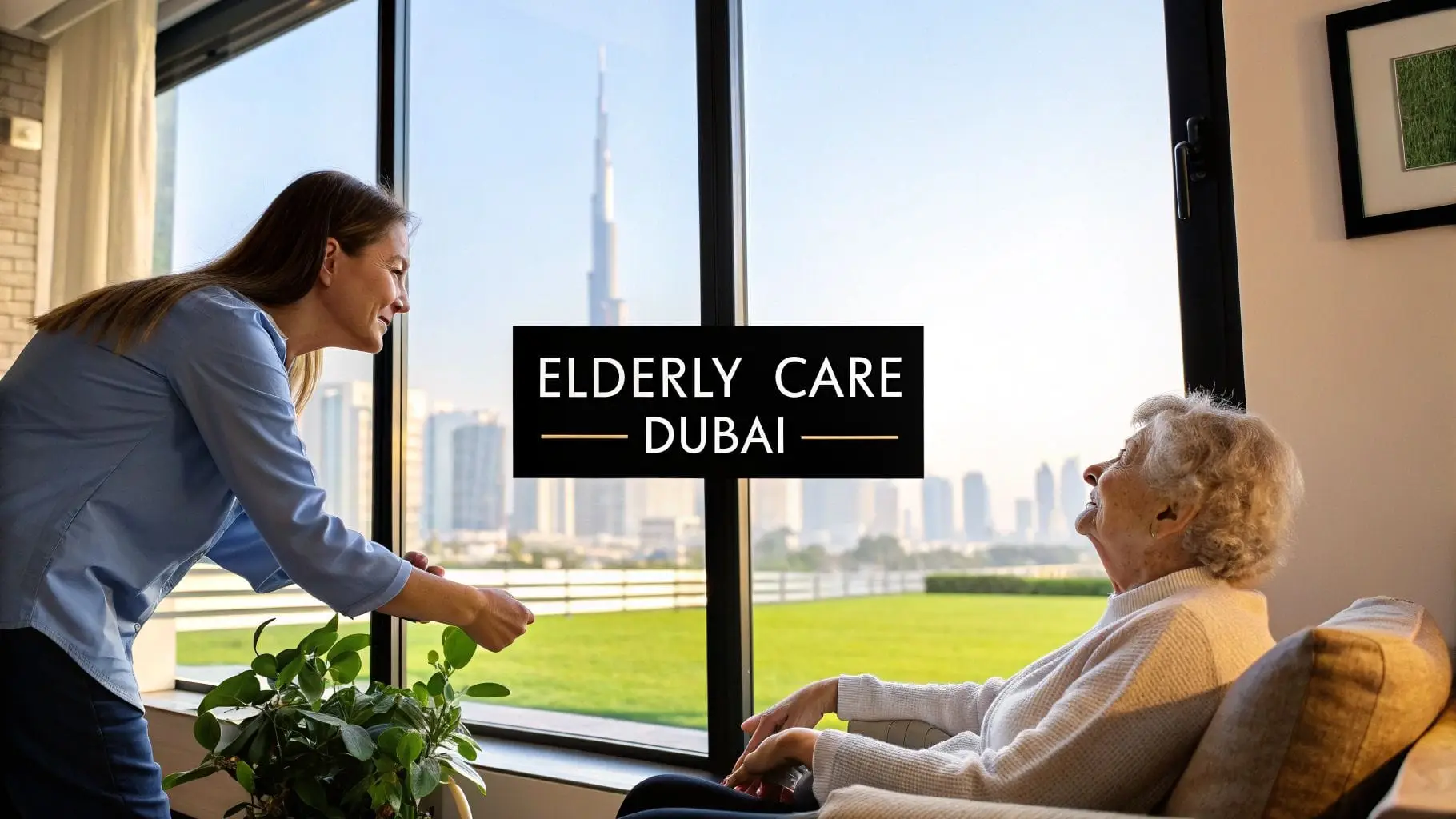
When you're exploring elderly care in Dubai, you're choosing between two main paths: specialised residential facilities or personalised support right at home. The right choice isn't one-size-fits-all; it depends on your loved one's specific health needs, their desire for independence, and their social preferences. Both options in Dubai offer a fantastic standard of care, aimed at improving quality of life.
Navigating Dubai's Elderly Care Landscape
Making the best decision for an elderly family member is a significant responsibility. The concept of senior support in Dubai has evolved far beyond traditional family help, now encompassing a wide spectrum of professional services. Understanding the available options is the first step toward making a choice that respects your loved one and provides peace of mind.
Think of it like choosing transportation. If someone is mostly independent but needs help with errands or seeks companionship, basic home help is like a comfortable car. But for someone with complex medical issues requiring round-the-clock monitoring, you need a fully equipped ambulance—this is analogous to a nursing home or skilled medical care at home.
The Cultural Foundation of Senior Care
In the UAE, respect for elders is a cultural cornerstone that deeply shapes the provision of care. This tradition of honouring seniors influences everything from family dynamics to professional services. While families have historically been the primary caregivers, the demands of modern life often necessitate formal support to ensure consistent, expert attention for loved ones.
This cultural reverence ensures that professional elderly care in Dubai is delivered with compassion and dignity. The goal is not to replace the family's role but to supplement their love with professional expertise, creating a supportive environment where seniors can thrive.
A Spectrum of Modern Care Solutions
The elderly care options in Dubai are incredibly varied, designed to meet a wide range of needs. This reflects the city's growth and the changing needs of its population. The main choices fall into two categories:
- In-Home Care: This popular option allows seniors to stay in the comfort and familiarity of their own homes while receiving necessary support. Services range from simple companionship and help with daily chores to advanced medical care from a registered nurse. To understand more about what these professionals do, explore our guide on home nursing services.
- Residential Facilities: These offer a structured community with 24/7 support. This includes assisted living communities for more independent seniors and nursing homes for those requiring constant medical supervision.
Social and cultural values are central to the evolution of elderly care in Dubai. As the need for formal care grows, the UAE government is strengthening frameworks for home care, nursing homes, and financial aid, ensuring that as families' needs change, the right support is available.
Choosing In-Home Care for Comfort and Independence
For many families in Dubai, the preferred choice for elderly care is within the senior's own home. It’s a familiar, comfortable space filled with a lifetime of memories. In-home care services make this possible, offering a flexible and deeply personal alternative to residential facilities. This approach prioritises independence, allowing seniors to maintain their routines and stay connected to their community.
The beauty of in-home care lies in its adaptability. It's not a rigid package but a spectrum of support that can be scaled from a few hours a week to full-time, round-the-clock assistance. This ensures your loved one receives the precise level of care they need, preserving their dignity and control.
This image captures the essence of quality in-home care—professional, compassionate support that integrates seamlessly into home life.
Different Levels of In-Home Support
Understanding the different tiers of in-home care is the first step to finding the right help. The services are designed to meet varying needs, from companionship to complex medical supervision.
The most common types of support are:
- Companion Care: This focuses on social connection and assistance with daily tasks. A companion can help with cooking, light housekeeping, errands, and most importantly, provide friendly conversation to combat loneliness.
- Personal Care: This involves hands-on help with "activities of daily living" (ADLs), such as bathing, dressing, grooming, and mobility assistance for seniors who find these tasks challenging.
- Skilled Nursing Care: For seniors with specific medical needs, this is essential. Licensed nurses provide this care, which can include medication administration, chronic condition management (e.g., diabetes), post-surgery wound care, and vital signs monitoring.
For example, an elderly parent who is largely independent but feels lonely and struggles with cooking would benefit from companion care. In contrast, a senior returning home from the hospital needing daily wound dressing and medication management requires skilled nursing care for a safe recovery. If you’re considering this option, our article on finding reliable home nurses in Dubai is an excellent resource.
Navigating these options can be complex. The following table provides a clear comparison.
Comparing In-Home Care Services in Dubai
| Service Type | Key Responsibilities | Ideal For Seniors Who… | Typical Provider |
|---|---|---|---|
| Companion Care | Socialisation, meal prep, light housekeeping, errands, transportation assistance, medication reminders. | Are generally healthy but experience loneliness or need help with daily household tasks. | Companion or Caregiver |
| Personal Care | Hands-on assistance with bathing, dressing, grooming, toileting, and mobility support (transferring). | Have physical limitations making personal hygiene and daily self-care difficult or unsafe. | Certified Nursing Aide |
| Skilled Nursing | Medication administration, wound care, IV therapy, chronic disease management, post-operative care. | Have complex medical conditions, are recovering from surgery, or require clinical supervision. | Registered Nurse (RN) |
Ultimately, the right choice depends entirely on the individual's specific health and personal needs.
The Benefits of Staying at Home
Choosing in-home care offers powerful advantages beyond physical support. The emotional and psychological benefits are critical for a senior's well-being.
One of the most profound benefits of in-home care is the ability for seniors to age in place. This continuity preserves their sense of self and connection to a lifetime of memories, which is invaluable for mental and emotional health.
Furthermore, in-home care provides personalised, one-on-one attention that is often not possible in a group facility. A dedicated caregiver can focus entirely on one person's needs, preferences, and personality, building a strong, trusting relationship. This tailored approach frequently leads to better health outcomes and a higher quality of life.
This preference for home-based care is reflected in market trends. The UAE's home healthcare sector is projected to grow at a CAGR of 11%, potentially reaching USD 1.98 billion by 2030. This growth is driven by rising demand for post-acute care for conditions like diabetes and cancer, alongside government initiatives improving at-home services through mobile clinics and enhanced caregiver training.
Understanding Residential Care and Nursing Homes
While in-home care offers familiar comfort, there are times when a loved one's needs become too complex for that setting. When 24/7 support and a structured environment are essential for their safety and well-being, residential facilities are a vital option for elderly care in Dubai. This choice ensures constant access to professional help within a supportive community.
Transitioning to residential care is a significant decision, often filled with emotion. It's important to remember that considering a facility is not about giving up; it's about proactively ensuring your family member receives the comprehensive, specialised care they need to live safely and with dignity.
Nursing Homes: The Hub for Medical Supervision
A nursing home provides long-term, hospital-level medical care. These facilities are designed for individuals with serious health conditions that require constant, skilled nursing supervision around the clock. Residents typically have chronic illnesses, need significant help with daily activities, or are recovering from a major health event like a stroke.
The environment in a nursing home is primarily clinical. The staff includes registered nurses, therapists, and other medical professionals dedicated to managing complex medication regimens, providing wound care, and monitoring serious health conditions. It is the appropriate choice when a senior's medical needs are the top priority.
Assisted Living: Supportive Communities for Independence
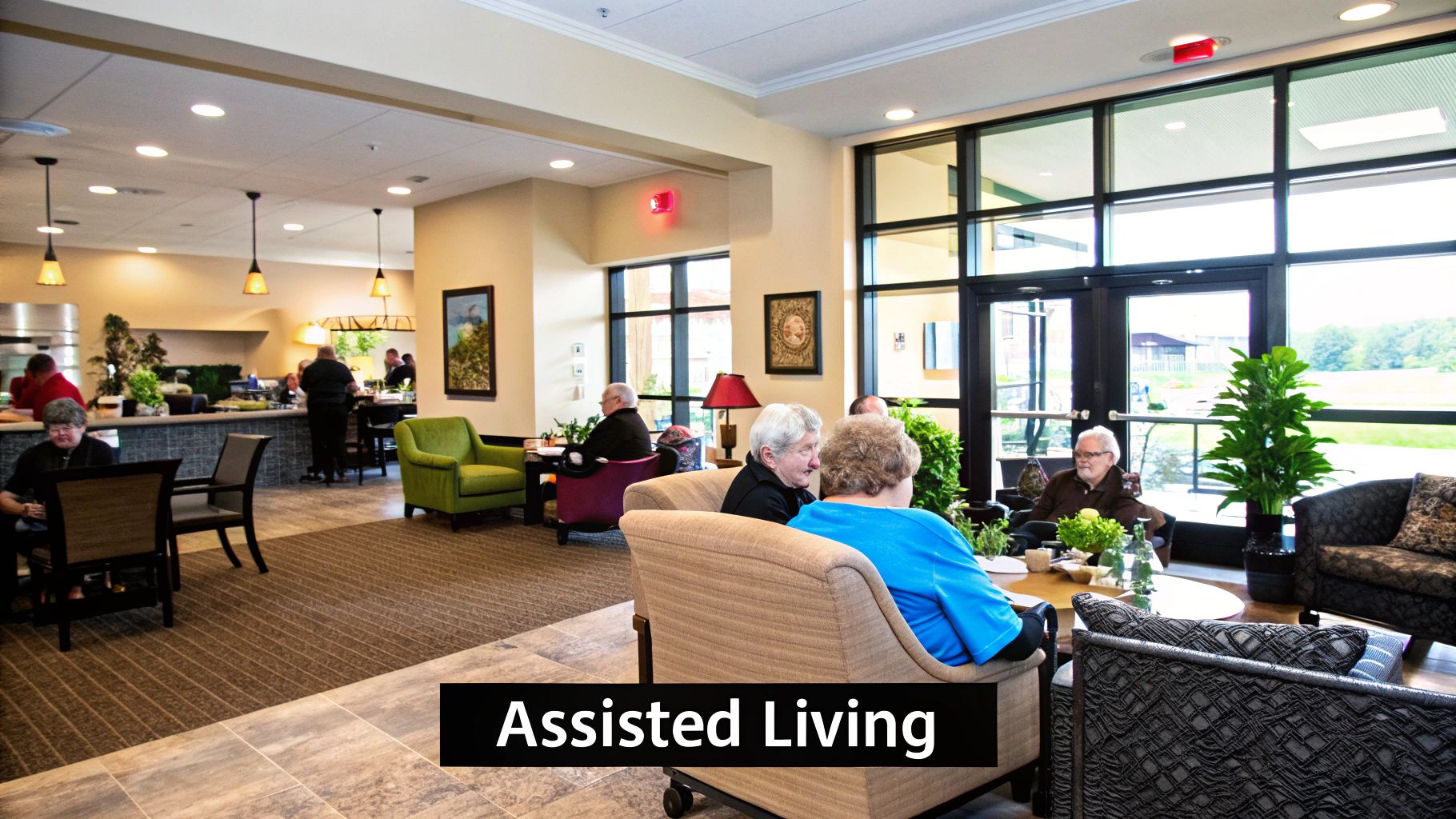
Assisted living facilities function more like self-contained, supportive communities. They are a perfect fit for seniors who are still relatively independent but could benefit from a safety net for certain daily tasks. A resident might need help with meal preparation, housekeeping, medication reminders, or personal grooming, but does not require constant medical monitoring.
This model balances independence with support, giving residents their own private space with the peace of mind that help is readily available. The focus is on social well-being and community engagement as much as it is on physical health.
Here’s a simple breakdown to highlight the differences:
| Feature | Nursing Home | Assisted Living Facility |
|---|---|---|
| Primary Focus | Intensive medical care and clinical supervision. | Social engagement and help with daily tasks. |
| Level of Care | 24/7 skilled nursing and medical monitoring. | Non-medical support with daily living activities. |
| Ideal Resident | Seniors with serious, chronic health conditions. | Seniors who are mostly independent but need some help. |
| Environment | Structured, clinical, and hospital-like. | Homely, community-oriented, and social. |
| Staffing | Registered nurses, medical staff, therapists. | Caregivers, support staff, and activity coordinators. |
For a more in-depth look, our guide on choosing the right nursing home in Dubai offers valuable insights.
Navigating the Transition with Compassion
Moving a parent into residential care is a delicate process, especially within the UAE's culture of close-knit family bonds. It's crucial to approach this conversation with empathy and open communication, involving your elderly parent in the decision as much as possible. Frame the discussion around enhancing their safety and quality of life.
The goal is not to replace the family's role but to supplement it with professional, round-the-clock support that ensures peace of mind for everyone. This decision is an act of love, prioritising the well-being of your family member above all else.
Focus on the positive aspects, such as opportunities for socialising, engaging activities, and the security of having immediate medical assistance. This new chapter offers a supportive community and relieves them of the daily stresses of managing a household, allowing them to focus on enjoying their time.
How to Budget for Senior Care Costs
Understanding the financial aspect of arranging elderly care in Dubai is a critical step. A clear, upfront understanding of costs provides peace of mind and helps you create a realistic budget, avoiding financial stress later.
The final price for senior care is influenced by several key factors. Think of it like planning a trip: basic in-home companionship is like a comfortable hotel, while a specialised nursing home with 24/7 medical staff is more like an all-inclusive, five-star resort. Both are excellent options, but they serve different needs at different price points. Understanding what drives these costs is the first step to smart financial planning.

Key Factors Influencing Care Costs
The cost of senior care is directly linked to the level of expertise, time, and resources required to provide safe and effective support.
The main elements that will influence your budget include:
- Level of Medical Support: This is the most significant factor. A live-in carer providing companionship will cost much less than a registered nurse managing complex medical needs, such as post-surgery recovery or a chronic illness.
- Caregiver Qualifications: A caregiver with basic certifications will have a different rate than a DHA-licensed nurse or a specialised physiotherapist with extensive experience. Higher expertise naturally commands a higher price.
- Hours of Care Required: The total number of hours needed per day or week directly impacts the monthly cost. A few hours of daily help is more affordable than 24/7 live-in care.
By evaluating these factors, you can build a clearer picture of the financial commitment involved in providing quality elderly care in Dubai.
Estimated Monthly Costs for Elderly Care in Dubai
To help you plan, here are some real-world price ranges. These are estimates and will vary between providers, but they offer a solid starting point.
Remember, investing in professional care is more than just paying for services. It's an investment in your loved one's safety, health, and overall quality of life—and that is priceless.
The table below breaks down typical monthly costs for different care options in Dubai.
Estimated Monthly Costs for Elderly Care in Dubai
| Care Option | Estimated Monthly Cost (AED) | Included Services |
|---|---|---|
| In-Home Companion Care | AED 4,000 – AED 7,000 | Companionship, meal prep, light housekeeping, errands, medication reminders. |
| In-Home Skilled Nursing | AED 8,000 – AED 15,000+ | All aspects of personal care plus medication management, wound dressing, vital signs monitoring, and chronic disease support. For a deeper dive, our guide on securing a home nurse in Dubai provides more detail. |
| Assisted Living Facility | AED 12,000 – AED 25,000 | Private or semi-private room, meals, housekeeping, social activities, and assistance with daily living. |
| Nursing Home | AED 20,000 – AED 35,000+ | All-inclusive care with 24/7 medical supervision, skilled nursing, therapy services, meals, and accommodation. |
This breakdown helps you understand the financial spectrum of elderly care and align your budget with your family's needs.
Insurance Coverage and Out-of-Pocket Expenses
A common question is, "What will insurance cover?" The answer depends on the specific policy. Most standard health insurance plans in Dubai cover hospital stays and doctor visits but often have limited or no coverage for long-term home care or residential facility fees.
It is essential to review your loved one's insurance policy in detail. Look for clauses mentioning "home healthcare," "skilled nursing," or "long-term care." In many cases, families should be prepared for a significant portion of these costs to be paid out-of-pocket, which makes a well-planned budget crucial.
A Step-By-Step Guide to Choosing a Provider
Finding the right provider for elderly care in Dubai can feel overwhelming, but breaking it down into manageable steps can simplify the process. This is about finding a trusted partner for your family's care journey.
This framework will guide you from assessing your needs to asking the right questions, ensuring you make a confident, well-researched choice.
Step 1: Start with a Detailed Needs Assessment
Before contacting any providers, get a crystal-clear picture of your loved one's needs. This involves understanding them as a whole person, not just their medical condition.
A thorough assessment should cover three key areas:
- Medical Needs: List their medical conditions, daily medications, and any required therapies like physiotherapy. Do they need help managing a chronic illness such as diabetes or hypertension?
- Personal and Daily Living Needs: Realistically evaluate how they manage daily tasks like bathing, dressing, and preparing meals. How much hands-on assistance do they truly need with these activities of daily living (ADLs)?
- Social and Emotional Needs: Don't overlook the importance of companionship. Loneliness can be as detrimental as a physical ailment. Consider whether your loved one is social and enjoys conversation or prefers quiet, one-on-one interaction.
This assessment will serve as your roadmap, helping you determine whether you need companion care, skilled nursing at home, or a residential facility.
Step 2: Create a Shortlist and Ask the Right Questions
With your needs assessment complete, you can start researching providers. Your goal is to look beyond marketing materials and verify that they meet the highest standards of safety and care.
Prepare a list of questions before contacting agencies or visiting facilities.
A provider's response to your questions is very revealing. A professional, transparent organisation will welcome your diligence and answer openly. Evasiveness or defensiveness is a red flag.
Here are essential questions to ask:
- Licensing and Credentials: "Are you licensed by the Dubai Health Authority (DHA)? What are the specific qualifications and training of your caregivers and nurses?"
- Care Planning: "How do you develop a personalised care plan? How often is it reviewed with the family to ensure it continues to meet our needs?"
- Emergency Procedures: "What is your protocol for a medical emergency? How do you keep the family informed?"
- Staffing and Supervision: "What is your staff-to-patient ratio? Who supervises the caregivers, and what ongoing training do they receive?"
These questions help you understand their operational standards. For more specific tips on home-based support, our guide on finding a carer for the elderly is a valuable resource.
Step 3: Verify References and Conduct In-Person Visits
These final steps are crucial for building trust. Never choose a provider based solely on their website.
First, request and contact references from current or past clients. Ask about their experiences: Were the caregivers reliable? Was management responsive to issues?
Second, an in-person visit is non-negotiable. Whether touring a facility or meeting a potential home caregiver, you need to see things for yourself.
- For Facilities: Observe the environment. Is it clean and welcoming? Do residents seem content and engaged? Watch how staff interacts with them—are they kind, patient, and respectful?
- For In-Home Care: Arrange an in-person interview with the proposed caregiver. This allows you to assess their personality and professionalism and, most importantly, allows your loved one to meet them. A positive initial connection is vital for building a trusting relationship.
A Glimpse into the Future: Tech and Specialised Elderly Care in the UAE
The landscape of senior support is constantly evolving, and Dubai is at the forefront, adapting to the needs of its ageing population. The focus is shifting towards specialised care for complex health issues and using smart technology to help seniors live more safely and independently, creating an intelligent, responsive ecosystem for elderly care in Dubai.
This is a necessary response to a significant demographic shift. As the UAE's elderly population grows, so does the demand for advanced care. Projections show that by 2025, people over 50 will constitute 18.5% of the GCC's population, up from 14.2% in 2020. This coincides with a rise in chronic illnesses like diabetes, which requires constant, specialised attention. For more on these trends, you can discover more insights about Arab health developments.
A Move Towards Specialised Care Models
A key priority for the future is specialised care, particularly for dementia and chronic conditions. Managing conditions like Alzheimer's or late-stage diabetes requires caregivers with specific training and home environments designed for safety and cognitive support.
This means a greater emphasis on:
- Memory Care Programmes: Structured activities and therapies designed to slow cognitive decline and improve the quality of life for individuals with dementia.
- Chronic Disease Management at Home: Skilled nurses monitoring vitals, managing complex medication schedules, and providing continuous support and education for patients and their families at home.
The future of elder care is personalisation. We are moving beyond a "one-size-fits-all" model to create care plans that address the specific medical, emotional, and social needs of each individual.
This tailored approach ensures seniors with complex health challenges receive the expert care they need to live with dignity, helping to prevent unnecessary hospitalisations and improve their overall well-being.
How Technology is Shaping Modern Senior Care
Technology is playing a massive role in making senior care smarter and safer. These are not futuristic concepts but practical tools being integrated into care plans today, giving seniors more independence and their families invaluable peace of mind.
Technology acts as a silent, 24/7 caregiver, transforming how elderly care in Dubai is delivered and offering proactive support that was once unimaginable.
Key advancements include:
- Telehealth Consultations: Bringing doctors and specialists into a senior's home via video call, making routine check-ups and medical advice simple and stress-free.
- Remote Monitoring Devices: Wearable sensors and home-based systems that track vital signs, detect falls, and send instant alerts to family or emergency services.
- Automated Medication Dispensers: Devices that remind seniors to take their medication and dispense the correct dosage, significantly reducing the risk of medication errors.
Common Questions About Elderly Care in Dubai
When you begin researching elderly care in Dubai, it's natural to have questions. Getting clear answers can provide the confidence needed to make the best decisions for your family. Here are some of the most common questions.
Is Long-Term Care Covered by Insurance?
This is a critical question. While most health insurance plans in the UAE cover hospital stays and doctor visits, they often do not cover long-term home care or residential facility fees. It is essential to review your policy documents or contact your provider directly to understand what is included.
What About Visas for Expat Parents?
For expat families, this is a major concern. Dubai offers a retirement visa for individuals over 55 who meet specific financial requirements. Another common route is for an adult child to sponsor their parent's visa, which typically requires demonstrating that you are their sole provider.
How Does Culture Influence Care?
While professional care services are increasingly popular, the culture in the UAE still places a strong emphasis on family-led care.
Professional care is not seen as a replacement for family support, but as a way to enhance it. It's about working together to ensure your loved one lives with dignity and well-being.
Are the Caregivers Qualified?
Yes. Reputable agencies in Dubai must be licensed by the Dubai Health Authority (DHA). This license ensures that their nurses and caregivers meet specific qualifications and receive ongoing training to maintain their skills.
Always ask a potential provider for proof of their DHA license and their staff's credentials. This step is key to ensuring your loved one receives safe, high-quality care and provides you with complete peace of mind.
For professional, compassionate, and DHA-licensed healthcare services brought directly to your home, trust Call To Doctor. We offer a range of services from skilled nursing and physiotherapy to doctor-on-call, available 24/7 to meet your family's needs. Simplify your healthcare journey by visiting us at https://calltodoctor.ae.

Leave a Reply