 0581310801


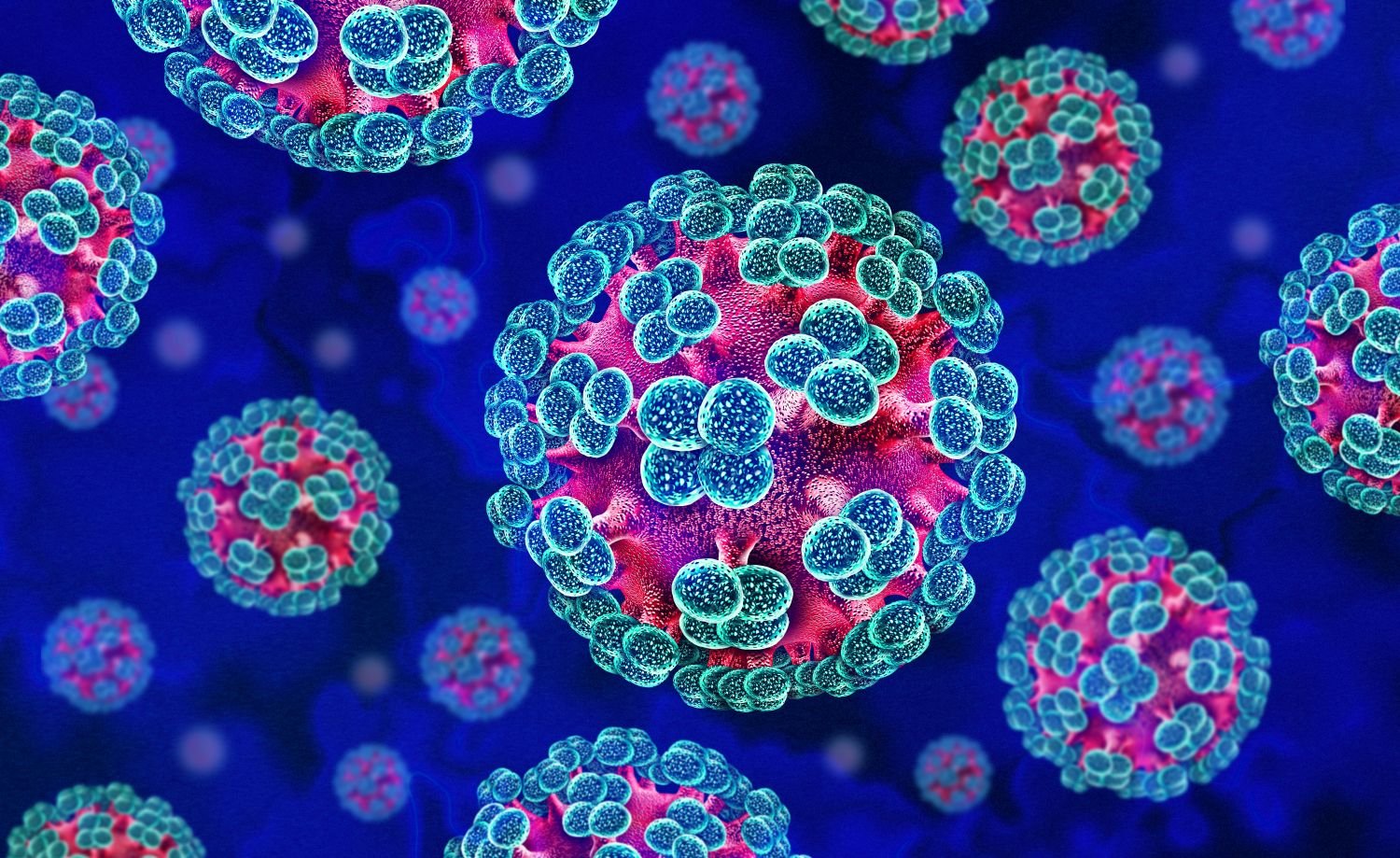
Symptoms, Health Effects, Safety Measures & FAQsThis guide covers important information about HANTAVIRUS.
Hantavirus is a rare but potentially life-threatening viral illness that has captured the attention of health authorities around the world. First identified in the early 1990s in the United States, this dangerous pathogen is transmitted primarily through contact with infected rodents and their droppings. Unlike many viral diseases that spread easily from person to person, hantavirus infections are typically acquired through environmental exposure, making it both a public health concern and a personal safety issue for those living or working in areas where rodents are prevalent.
Despite its relatively low incidence, hantavirus carries a significant mortality rate, with some strains killing up to 40% of infected individuals. Understanding this virus, including how it spreads, its symptoms, its effects on the human body, and the precautions one can take, is essential for protecting yourself and your loved ones. This article provides an in-depth look at hantavirus, equipping you with the knowledge you need to stay safe.
What Is Hantavirus?
Hantavirus belongs to the family Hantaviridae and encompasses several different strains, each associated with specific rodent host species. These viruses are classified as zoonotic, meaning they naturally circulate among animals but can be transmitted to humans under certain conditions. The virus does not make its rodent hosts visibly sick; the animals serve purely as reservoirs, carrying and shedding the virus throughout their lives.
There are two major disease categories associated with hantavirus infections in humans. The first is Hantavirus Pulmonary Syndrome (HPS), which is predominantly found in the Americas, particularly in North and South America. The second is Hemorrhagic Fever with Renal Syndrome (HFRS), which is more commonly observed in Europe and Asia. Both conditions can be severe, though they target different organ systems in the body.
How Is Hantavirus Transmitted?
The primary mode of transmission is through inhalation of aerosols contaminated with the urine, feces, or saliva of infected rodents. This most commonly happens when a person disturbs areas where rodents have nested, such as cleaning out old storage sheds, cabins, barns, or garages. Common carriers include:
- Deer mice (North America) — the most common carrier of the Sin Nombre virus, the dominant HPS strain
- White-footed mice (Eastern United States)
- Cotton rats and rice rats (Southeastern United States)
- Striped field mice and bank voles (Europe and Asia)
- Long-tailed pygmy rice rat (South America)
Other modes of transmission include direct contact with rodents (bites or scratches), touching contaminated surfaces and then touching your mouth or nose, and in very rare cases involving the Andes virus strain, person-to-person transmission has been documented. It is important to note that hantavirus cannot be spread through food, water, insect bites, or casual human contact.
Symptoms of Hantavirus Infection
Hantavirus infections typically have an incubation period of one to eight weeks after initial exposure. Symptoms progress through distinct stages and can vary depending on whether a person has contracted HPS or HFRS.
Early Stage Symptoms (Days 1–5)
- Fever and chills (often above 38°C / 101°F)
- Severe muscle aches, especially in the thighs, hips, and back
- Intense fatigue and general weakness
- Headache
- Nausea, vomiting, diarrhea, and abdominal pain
- Dizziness
Late Stage Symptoms — HPS (Days 5–10)
In cases of Hantavirus Pulmonary Syndrome, the late stage is marked by rapid deterioration of the respiratory system:
- Severe shortness of breath and difficulty breathing
- Coughing (often dry)
- Fluid accumulation in the lungs (pulmonary edema)
- Low blood pressure (hypotension)
- Rapid heart rate
- Possible respiratory failure requiring mechanical ventilation
Symptoms — HFRS (Hemorrhagic Fever with Renal Syndrome)
- Sudden intense headache, back and abdominal pain
- High fever and flushing of the face
- Redness of the eyes
- Bleeding or hemorrhage under the skin (petechiae)
- Kidney failure — reduced or no urination
- Low blood pressure and shock in severe cases
How Hantavirus Affects Your Health
Hantavirus causes profound systemic effects that can rapidly become life-threatening. The virus triggers a powerful immune response in the body that, while intended to fight the infection, can paradoxically cause severe damage to vital organs.
In HPS, the virus primarily attacks the endothelial cells that line the blood vessels in the lungs. This leads to increased vascular permeability, meaning the blood vessels become leaky. As a result, fluid floods into the lung tissue, making it impossible for the lungs to transfer oxygen into the bloodstream effectively. This condition, known as noncardiogenic pulmonary edema, is responsible for the rapid respiratory failure seen in severe HPS cases. The fatality rate for HPS ranges from 30% to 40% — among the highest for any viral illness in the Americas.
In HFRS, the kidneys are the primary target. The virus damages small blood vessels in the kidney, impairing their ability to filter blood. This leads to acute kidney injury, electrolyte imbalances, and in severe cases, complete kidney failure requiring dialysis. Hemorrhagic complications are also common, causing bleeding into various tissues and organs. The mortality rate for HFRS is lower than HPS, ranging from 1% to 15% depending on the specific virus strain.
Even patients who survive hantavirus infections can experience long-term health consequences. These may include chronic fatigue, reduced lung capacity, persistent kidney impairment, and neurological symptoms. Recovery can be slow and challenging, sometimes taking months or years for full restoration of health.
Safety Measures: How to Protect Yourself
Because there is no specific vaccine or proven antiviral treatment for hantavirus available to the general public, prevention is the cornerstone of protection. The following safety measures are recommended by health authorities including the Centers for Disease Control and Prevention (CDC).
1. Rodent-Proof Your Home and Workplace
- Seal any cracks, gaps, or holes in walls, roofs, and foundations using steel wool, caulk, or metal sheeting
- Keep food (including pet food) in sealed containers made of metal or thick plastic
- Dispose of garbage regularly in sealed bins
- Remove clutter from storage areas such as attics, basements, and garages
2. Safe Cleaning Practices
- Never vacuum or sweep areas with rodent droppings — this aerosolizes virus particles
- Ventilate enclosed spaces for at least 30 minutes before cleaning by opening windows and doors
- Wear rubber or plastic gloves and an N95 respirator mask before entering contaminated areas
- Spray rodent droppings and nesting materials with a disinfectant (1:10 bleach-to-water solution) and allow to soak for 5 minutes
- Use paper towels to clean up the material and dispose in a sealed plastic bag
3. Personal Protective Equipment (PPE)
- When working in areas with known rodent activity, always wear gloves, goggles, and an N95 or higher-rated respirator
- Change and wash clothing after any potential exposure
- Wash hands thoroughly with soap and water after handling anything from a rodent-prone area
4. Outdoor and Camping Safety
- Do not sleep on bare ground; use a sleeping pad or cot elevated off the ground
- Choose campsite locations that are free of rodent burrows or droppings
- Store food in rodent-proof containers
- Keep tents zipped closed at all times when not in use
- Avoid disturbing rodent habitats such as brush piles and burrows
Treatment of Hantavirus
There is currently no specific antiviral drug approved for treating hantavirus infections. Treatment is primarily supportive and aimed at managing symptoms and sustaining the patient through the critical phase of illness. Early recognition and hospitalization are critical to improving outcomes.
For HPS patients, treatment may involve supplemental oxygen therapy, mechanical ventilation in cases of respiratory failure, careful fluid management, and in extreme cases, extracorporeal membrane oxygenation (ECMO) to support heart and lung function. For HFRS patients, dialysis may be required to support kidney function. The antiviral drug ribavirin has shown some benefit in HFRS when administered early but has not demonstrated the same efficacy for HPS. Patients who survive the acute phase of illness generally recover, but the road to full health can be lengthy.
Frequently Asked Questions (FAQs)
Q1: Can hantavirus spread from person to person?
A: In almost all cases, no. Hantavirus is not spread through casual human contact, coughing, or sneezing. It is transmitted almost exclusively through contact with infected rodents or their waste materials. The one notable exception is the Andes virus, found in South America, which has been linked to rare instances of human-to-human transmission. In North America, Europe, and Asia, the strains of hantavirus in circulation are not contagious between people.
Q2: How quickly do hantavirus symptoms develop after exposure?
A: The incubation period for hantavirus — the time between initial exposure and the appearance of symptoms — typically ranges from one to eight weeks, though most cases develop symptoms within two to four weeks. This long and variable incubation period can make it difficult to pinpoint when and where exposure occurred. If you have been in an area with known rodent activity and begin experiencing flu-like symptoms weeks later, it is important to seek medical attention promptly and inform your doctor of the potential exposure.
Q3: Is there a vaccine for hantavirus?
A: As of now, there is no approved vaccine for hantavirus available in most parts of the world, including the United States, Europe, and the Middle East. Some vaccines have been developed and used in parts of Asia, particularly China and South Korea, targeting specific strains associated with HFRS. However, these are not widely distributed outside Asia. Research into a broader hantavirus vaccine is ongoing. In the absence of a vaccine, prevention through rodent control and avoiding exposure remains the best line of defense.
Q4: What should I do if I think I have been exposed to hantavirus?
A: If you believe you have been exposed to hantavirus — for example, by cleaning a rodent-infested area without protection — monitor your health closely for the next one to eight weeks. If you develop any symptoms such as fever, muscle aches, fatigue, or breathing difficulties, seek medical attention immediately. Inform your healthcare provider about the potential exposure so they can order the appropriate tests, including blood tests and imaging, to detect hantavirus infection early. Early hospitalization can significantly improve your chances of survival.
Q5: Can hantavirus be found in urban areas?
A: Yes. While hantavirus is more commonly associated with rural and semi-rural environments, the risk is not zero in urban areas. Rodents such as deer mice and house mice can inhabit urban settings, particularly in older buildings, storage areas, and areas with poor sanitation. Urban residents who live near green spaces, parks, or in older buildings with rodent problems should take the same precautions as those in rural areas. Global urbanization and climate change may be increasing the range and contact frequency between humans and hantavirus-carrying rodents.
Q6: How deadly is hantavirus compared to other viral diseases?
A: Hantavirus Pulmonary Syndrome is considered one of the deadlier viral diseases with a case fatality rate of approximately 30% to 40% in the Americas. For comparison, seasonal influenza has a fatality rate below 0.1%, while Ebola can reach 50% to 90%. HFRS strains are less deadly, with fatality rates between 1% and 15%. What makes HPS particularly alarming is the speed at which it can progress: a patient can go from flu-like symptoms to respiratory failure within days. This rapid deterioration makes early diagnosis and treatment critical.
Q7: Are certain people at higher risk of contracting hantavirus?
A: Yes. Individuals who are at higher risk include farmers, forestry workers, campers, hikers, and those who work in construction or pest control — essentially anyone whose occupation or recreational activities bring them into contact with rodents or rodent habitats. People who live in poorly sealed homes in rural areas with high rodent populations are also at elevated risk. Immunocompromised individuals may be at higher risk of severe disease if infected. Travelers visiting regions where hantavirus is endemic should take extra precautions.
Conclusion
Hantavirus is a serious and potentially fatal illness that demands respect and awareness. While rare, its high mortality rate and rapid progression from flu-like symptoms to life-threatening respiratory or kidney failure make it one of the more dangerous zoonotic diseases known to medical science. The good news is that hantavirus is largely preventable. By understanding how the virus spreads, recognizing its symptoms early, and following established safety measures — particularly when dealing with rodents or entering spaces with rodent activity — you can substantially reduce your risk of infection.
Public health education, vigilant rodent control, and proper protective gear are the pillars of hantavirus prevention. If you suspect exposure or experience symptoms consistent with hantavirus infection, do not delay — seek immediate medical attention. In the fight against this virus, knowledge and swift action are your greatest allies.
— Stay Informed. Stay Safe. —

Leave a Reply